
Adam Hirsch
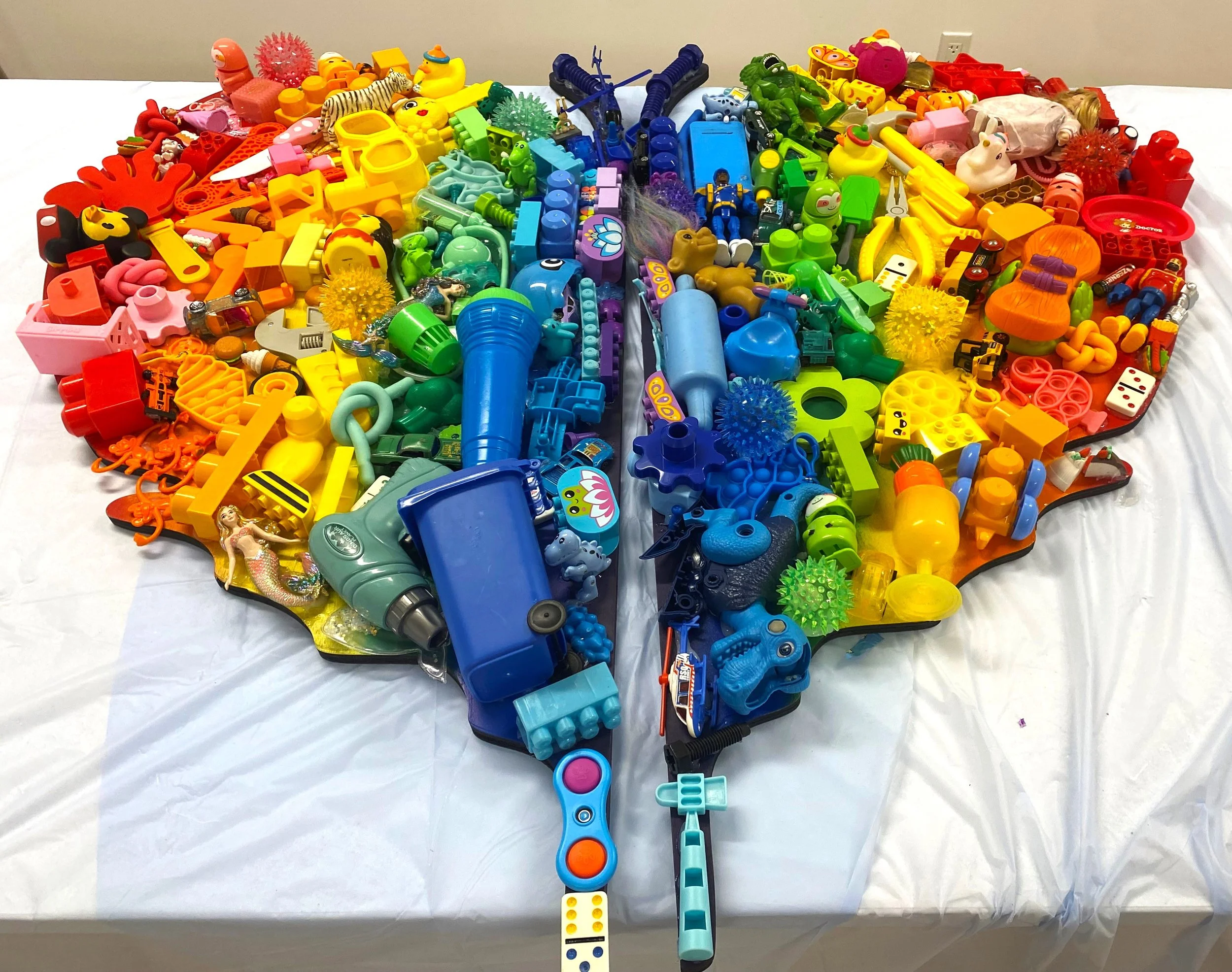
Inspired by Livnat Kutz’s Wings of Hope at Kibbutz Kfar Aza, staff and Trustees designed The Russell Berrie Foundation butterfly logo from small toys and artifacts.
In July 2023, a few months before terror would rip through Kibbutz Kfar Aza, artist Livnat Kutz worked to create an installation on the wall of a bomb shelter: a pair of "Wings of Hope," fashioned from old, recycled plastic toys gathered from her community. It was playful and serious at once — sustainability turned into beauty; shared objects turned into shared belonging.
On October 7, 2023, Hamas terrorists attacked Kfar Aza and brutally murdered Livnat, her husband, and their three children in their home. In the staggering destruction of that day, the original Wings of Hope remained one of the few things left intact. In the months that followed, communities across Israel and around the world have recreated the wings as a memorial and a continuation of Livnat's creative legacy: resilience, hope, and the insistence that what we build together can outlast what tries to destroy us.
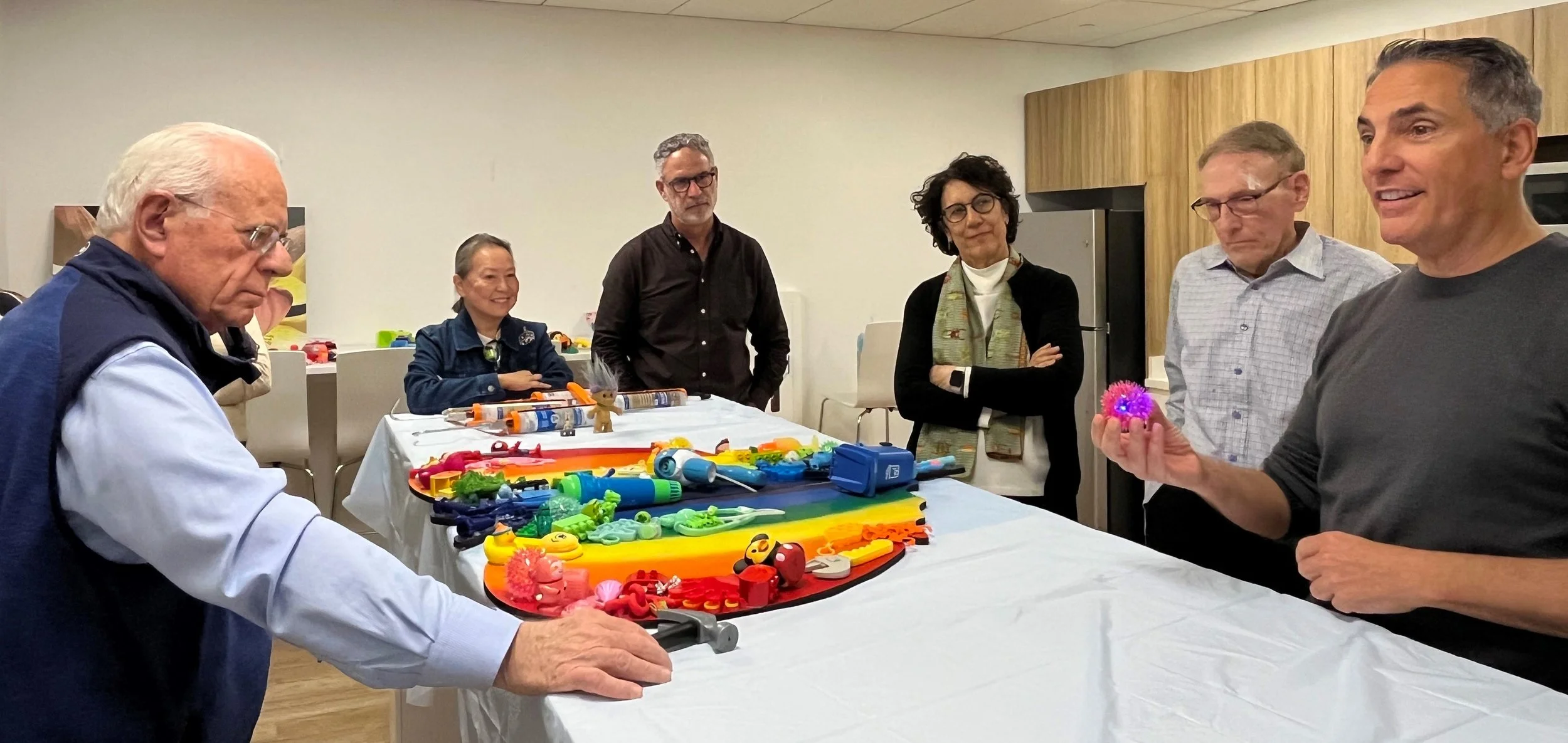
Foundation trustees creating their Wings of Hope.
At our recent year-end retreat, The Russell Berrie Foundation's staff and Trustees created our own Wings of Hope, gathering small objects and transforming them into something larger than ourselves. As we contemplated the future of our foundation, this project became a way to explore our past and what our legacy might mean.
Returning for the Small Things
The Wings of Hope project echoes a story from a recent Torah portion. In Genesis, the patriarch Jacob is crossing a river at night with his family when he inexplicably turns back alone. In trying to understand this story, the rabbis tell us that Jacob returned for pachim k'tanim — small vessels, containers left behind. It seems almost trivial. Jacob is carrying the weight of decades of struggle. He's about to face his estranged brother. Why go back for little things?
The Jewish tradition sees something profound here: the righteous cherish what they have because they understand that everything entrusted to them carries purpose. The small is often exactly where meaning hides.
Wings of Hope is literally made of pachim k'tanim: old toys, leftover pieces, discarded fragments. The project's genius is that it refuses to let the seemingly minor be erased. It gathers the small and playful objects and repurposes them into something that gives a community language when words fail.
“As we contemplated the future of our foundation, this project became a way to explore our past and what our legacy might mean. ”
The Night of Wrestling—and the Dawn that Heals
Jacob's return for the small vessels leads to a transformative encounter. That night, he wrestles with an angel until dawn. He emerges limping, renamed, changed. The Torah tells us: "The sun rose upon him as he passed Penuel, and he was limping."
The sun rises. Jacob limps.
The ancient commentators explain that the sunrise was purposeful—the sun rose for him, to heal him. They connect this moment to a prophetic phrase about "the sun of righteousness, with healing in its wings"—imagining rays of light spreading outward like protective feathers.
This vision of healing doesn't deny injury. Jacob doesn't stop limping the moment dawn breaks. He is still marked. But he is moving forward in a different light, a light that illuminates and begins the slow work of repair.
From Shelter Wall to Global Memory
Wings of Hope began on the wall of a bomb shelter, built from pieces of childhood. Toys carry fingerprints and laughter; they are small vessels of innocence. When families are taken and communities are assaulted, our instinct is to look away from the fragments because the fragments hurt.
Livnat's art, and the global memorial that followed, insists on the opposite move: go back for the small things. Gather them. Hold them. Transform them. The broken pieces do not have to become the final story.
In that sense, Wings of Hope is a living commentary on Jacob's night. The wrestling is real. The darkness is real. The injury is real. And still, there can be wings. There can be rays. There can be a sunrise.
From Sunsetting to Sunrising
The Russell Berrie Foundation is a spend-down foundation, one whose grantmaking is purposefully designed to end in 2033. But we have deliberately chosen to call the planning for our remaining years a “sunrise” strategy, eschewing the more usual term, sunsetting foundation, because we see the opportunities that still lie ahead.
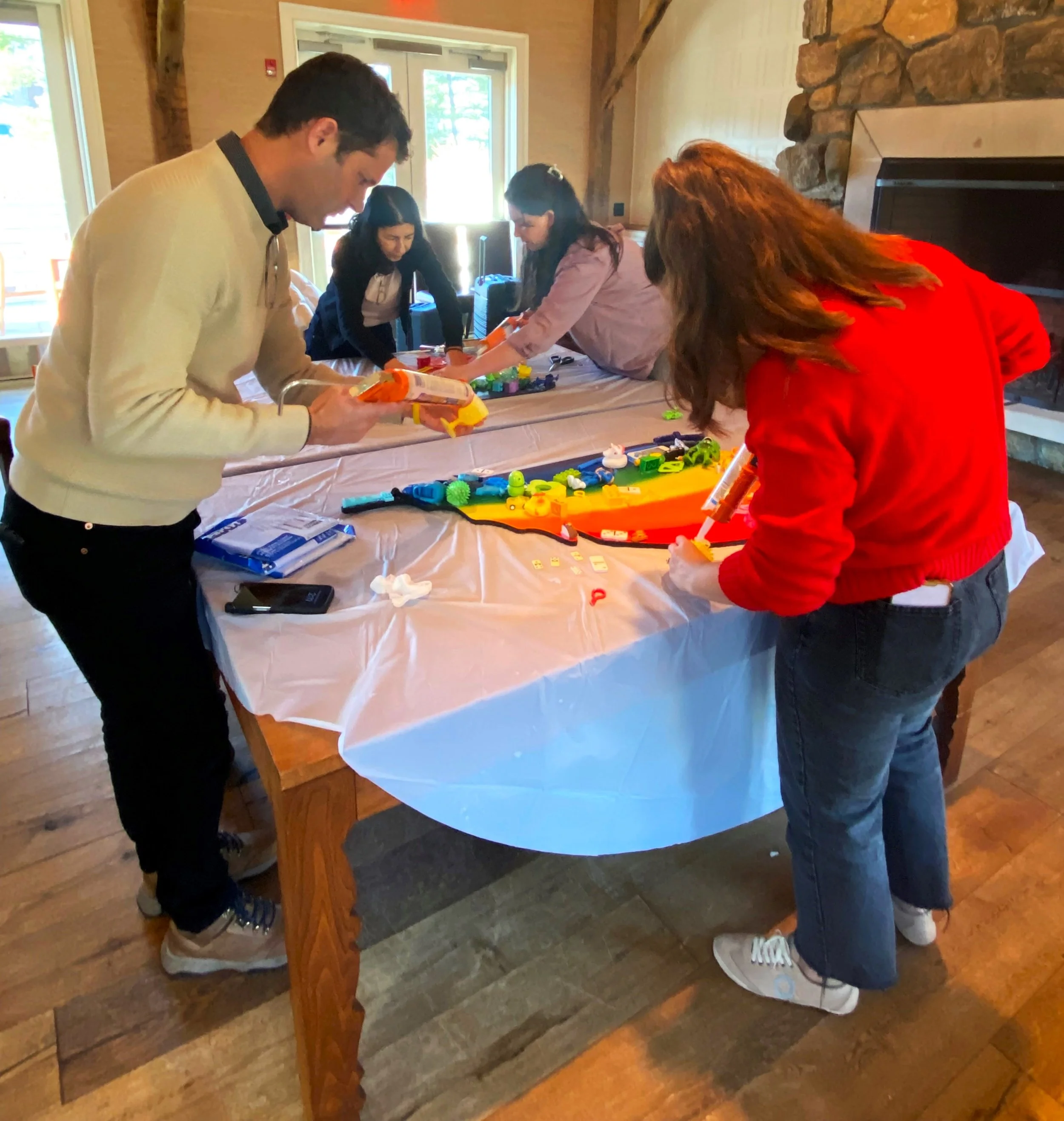
New Jersey and Israel staff designed Wings of Hope as part of their December retreat.
The philanthropy world often chases the "big:" big numbers, big scalability, big wins. The Jacob story challenges that impulse. He becomes transformed precisely because he notices what others would write off. The small vessels matter because they carry something larger than themselves. They are where values are stored.
The story doesn't stop at smallness, though. It moves from small vessels to wide wings of light. The "sun of righteousness" shines outward; its rays spread beyond the self to heal the world.
This is the charge of the Foundation’s legacy work we are undertaking. We need to celebrate our past achievements as we tell our story and not leave them behind as though they were “small things.” We must continue to invest in projects with rays, back initiatives that build capacity, create models that others can replicate, and leave behind stronger institutions than we found as we — with our grantees and partners — aim for enduring impact. A sunsetting foundation can still leave behind sunrise initiatives that continue to shine after the institution itself has set.
Wings of Hope — made from old toys, born of a shelter wall, preserved through devastation, replicated across the world — embodies exactly this kind of legacy. It honors the small. And it radiates.